Parenting a preschooler is a whirlwind of crayons, snack time, and the occasional existential crisis about who will be the next big inventor. Amid the chaos, many parents wonder: What if my little one is showing signs of autism? This article dives into the world of autism early signs in preschoolers, offering clear, practical guidance without drowning you in jargon. We’ll keep the tone professional, sprinkle in light humor, and sprinkle in a dash of empathy—because navigating early childhood can feel like a roller coaster, but you’re not alone on this ride.
Understanding Autism in the Preschool Years
Autism spectrum disorder (ASD) is a developmental condition that affects social communication and behavior. In preschoolers, the brain is still a sponge, soaking up experiences at a rapid pace. Recognizing early signs in preschoolers is like spotting a subtle change in the weather before a storm—you can prepare and adapt.
- Neurodiversity matters: Every child’s brain is wired differently; ASD is just one of many unique wiring patterns. Early intervention is powerful: The earlier we identify and support, the greater the potential for growth. Parents are the first line of observation: Your daily interactions are a goldmine of data.
> “Early intervention is the best gift you can give.” – Dr. Sally Rogers

Common Early Signs to Watch For
If you’re a parent, you’ve probably seen your child’s eyes flicker between the world and their own inner universe. Below are the most frequently reported early signs in preschoolers that might hint at autism. Think of these as clues in a mystery novel; they’re not definitive proof but worth noting.
Social Interaction
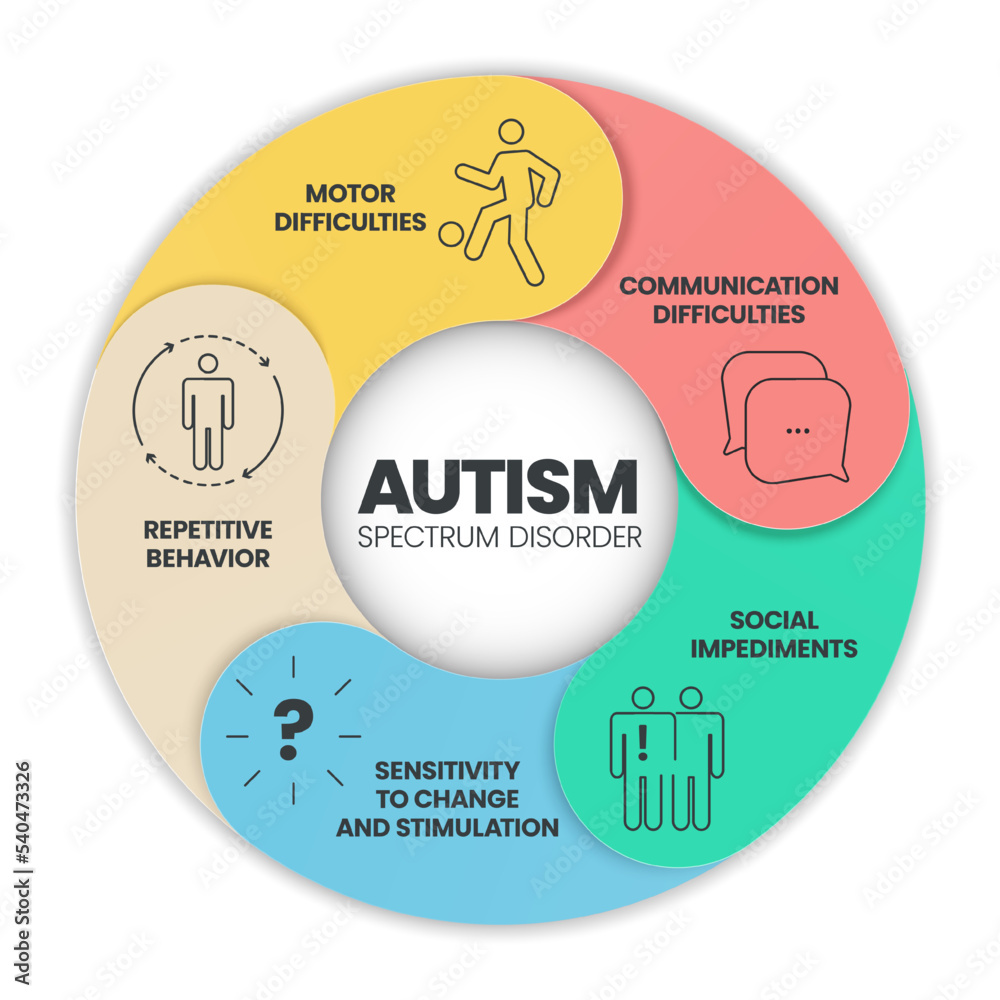
- Limited eye contact: Does your child avoid looking at faces, especially during play? Unusual play patterns: They may prefer solitary activities over interactive games. Difficulty sharing emotions: Expressions of joy or frustration might be muted or absent.
Communication
Prenatal environmental factors- Delayed speech or atypical language use: Hesitation, echolalia (repeating words), or unusual intonation. Limited use of gestures: Hand waves, pointing, or nodding may be sparse. Challenges in initiating conversations: They might not turn to you when you call their name.
Repetitive Behaviors and Interests
- Repetitive movements: Hand-flapping, rocking, or spinning objects. Rigid routines: Distress when routines are disrupted. Intense focus on specific topics: Fascination with a particular object or subject.
Sensory Sensitivities
- Over- or under-reactivity: Loud noises may be terrifying, or bright lights may be ignored. Unusual food preferences: Texture or color aversions can be a red flag.
Anecdote
Take Sam, a five-year-old who refused to share his favorite dinosaur toy. When his friend reached for it, Sam would clench his fists and stare at the ground. His mother noticed he also avoided eye contact and had a hard time naming his emotions. A quick conversation with his pediatrician led to a referral for a developmental assessment—Sam now enjoys a structured playgroup that nurtures his interests while gently encouraging social interaction.
Rhetorical Question
Have you ever wondered if your child’s preference for solitary play is a sign of something deeper, or simply a quirky phase?
How to Talk to Your Child About Their Feelings
Once you spot potential signs, the next step is communication—both with your child and with professionals. Parents often feel like they’re trying to decode a secret language. Here are some strategies to bridge that gap.
- Model emotions: Show how you feel when you’re happy, sad, or frustrated. Use visual aids: Picture cards or emotion charts can help children identify feelings. Encourage descriptive language: Ask “What’s that feeling?” instead of “Are you okay?”
Building a Supportive Environment
- Create predictable routines: Predictability reduces anxiety. Use gentle prompts: Instead of demanding eye contact, use a soft cue like “Can you look at me when you finish your snack?” Celebrate small victories: Acknowledge any attempt at social interaction or communication.
When to Seek Professional Guidance
A diagnosis of ASD is a process, not a single moment. If you notice multiple signs, it’s wise to consult a pediatrician or developmental specialist. Early assessment can lead to early intervention—think of it as a “first aid kit” for developmental challenges.
- Developmental screening: Most pediatricians perform screenings at 18 and 24 months; parents can request earlier evaluation. Multidisciplinary assessment: Speech therapists, occupational therapists, and psychologists collaborate to create a comprehensive picture. Individualized Education Plan (IEP): If your child attends school, an IEP tailors learning strategies to their needs.
A Quick Checklist for Parents
- [ ] Notice any of the early signs listed above. [ ] Keep a daily log of behaviors and milestones. [ ] Schedule a developmental screening with your pediatrician. [ ] Ask for referrals to specialists if needed. [ ] Advocate for your child’s educational and therapeutic needs.
Empowering Your Child’s Growth
Once Lack of social engagement a diagnosis is in place, the journey shifts from “What’s wrong?” to “What can we do?” Here’s how to empower your child’s growth and celebrate their unique strengths.
Strength-Based Approach
- Identify passions: Does your child love puzzles? Use that interest to teach problem-solving. Build confidence: Praise effort over outcome. Encourage independence: Simple tasks like dressing or picking up toys foster autonomy.
Community and Resources
- Support groups: Connect with other parents navigating similar paths. Online forums: Find reputable communities for tips and shared experiences. Local programs: Many cities offer early intervention services at no cost or low cost.
Rhetorical Question
Do you feel ready to turn your child’s challenges into stepping stones toward confidence and success?
The Road Ahead: A Light-Hearted Takeaway
Remember, spotting autism early signs in preschoolers isn’t a diagnosis—it’s a conversation starter. Think of it as tuning your child’s radio: you’re adjusting the frequency to catch the right signal. With the right support, every child can thrive, whether they’re the next inventor, artist, or quiet thinker.
If you’ve noticed any of the signs mentioned, consider scheduling a developmental screening. A quick check can unlock a world of resources and support—think of it as a backstage pass to your child’s developmental journey.
* Your child’s future is bright, and the first step is simply asking the right questions.*