Playground time is usually a joyous symphony of laughter, slides, and the occasional daring climb. For many toddlers, it’s a place to practice social skills, share toys, and learn how to read others’ moods. Yet for some little explorers, the playground can feel what are the 3 main causes of autism like a maze with no exit signs. This article delves into autism early signs in toddlers who have difficulty with social interactions in the playground, offering clear guidance for parents, caregivers, and teachers who want to spot the subtle cues early and support their child’s development with empathy and action.
Understanding the Playground Landscape
The playground is a microcosm of the world—a bustling arena where children negotiate turn-taking, negotiate rules, and practice empathy. When a toddler struggles to navigate this environment, it can signal underlying challenges that may benefit from early intervention.
The Social Playbook
- Turn-taking: Waiting for a friend to finish before joining a game. Shared attention: Looking at the same toy or activity together. Emotional mirroring: Laughing when a peer giggles, or calming down when someone is upset.
When these elements feel missing or confusing, parents might wonder: Is my child just shy, or could there be something deeper? That’s where the first clues begin to surface.

Common Early Signs to Watch For
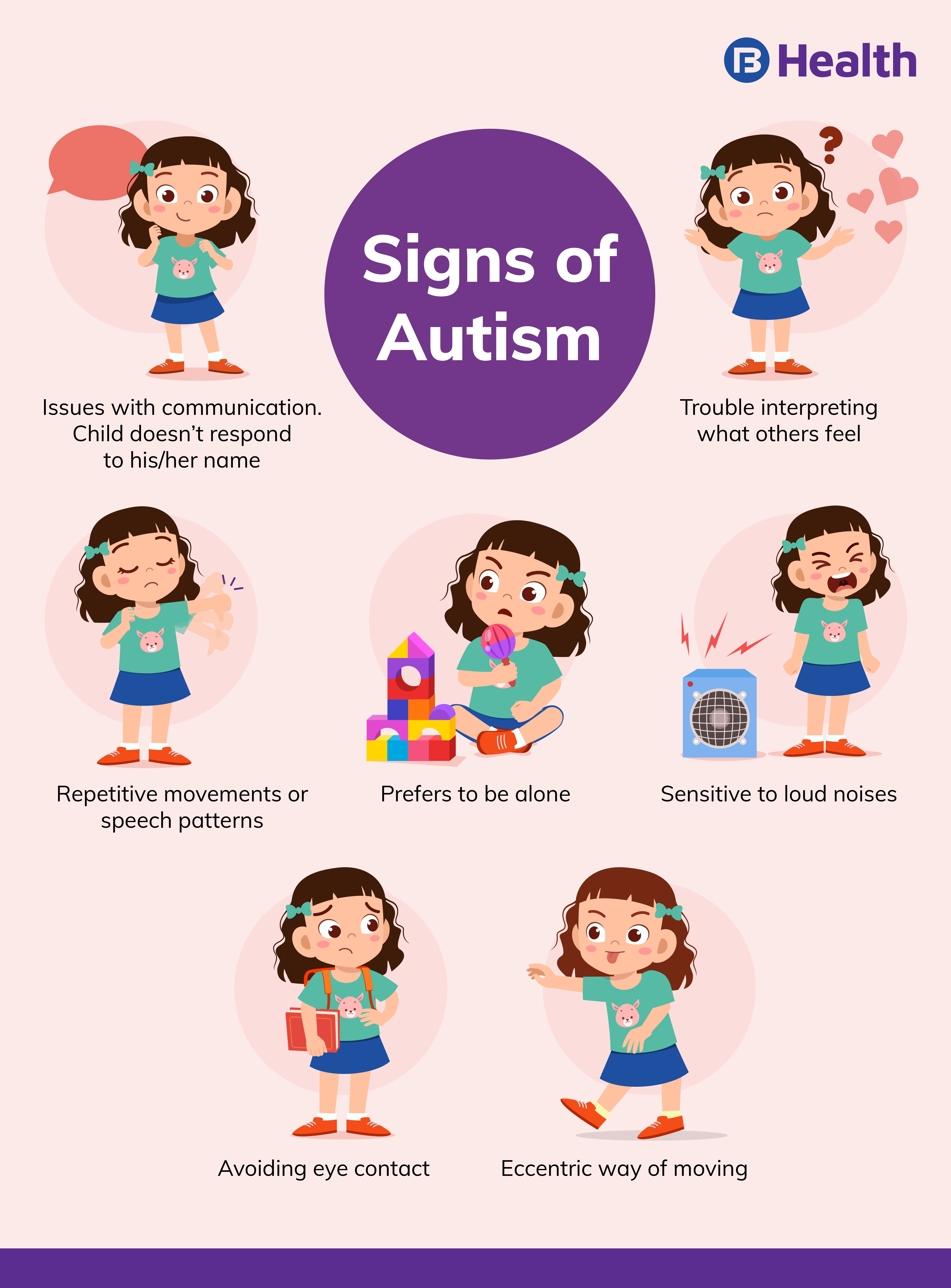
Not all social difficulties are red flags, but certain patterns are more telling. Below are key indicators that may suggest autism early signs in toddlers who have difficulty with social interactions in the playground.
1. Limited Eye Contact
While it’s normal for toddlers to avoid direct eye contact at times, persistent avoidance—especially during play—can be a sign. A child might look away when peers approach, or stare at objects instead of people.
2. Unusual Response to Peer Initiatives
If a toddler consistently ignores or responds oddly to invitations—such as a peer waving or offering a toy—it may hint at challenges in interpreting social cues.
3. Repetitive Play Patterns
Playing with toys in a rigid, repetitive way—like lining up cars in a straight line every time—can indicate a preference for routine over social interaction.
4. Difficulty with Turn-Taking
A toddler who never takes turns or insists on controlling the activity may struggle with the give-and-take that underpins social play.
5. Sensory Overload Signs
Excessive squirming, covering ears, or withdrawing when the playground gets noisy or crowded can reflect sensory sensitivities that interfere with social engagement.
> “The first sign of autism is not a single behavior, but a constellation of small, often invisible cues that, when seen together, form a clear picture.” – Dr. Emily R. Harper, Child Development Specialist
These signs do not diagnose autism on their own, but they are red flags that warrant closer observation and, if necessary, professional evaluation.
Why Early Detection Matters
You might wonder: Why is it so crucial to spot these signs early? The answer lies in the brain’s plasticity during early childhood—an era when experiences shape neural pathways like fresh paint on a canvas.
The Brain’s Growing Season
- Rapid neural development: By age 3, a child’s brain can form up to 1.5 million new connections each second. Learning windows: Skills such as language, social reciprocity, and executive function are most readily acquired early.
When a toddler faces challenges in social interactions, early intervention can help redirect those neural pathways toward more adaptive strategies, potentially easing future difficulties.
Long-Term Benefits
- Improved social confidence: Early support fosters better peer relationships. Enhanced academic readiness: Social skills often translate into classroom engagement. Reduced frustration: Children who feel understood are less likely to develop anxiety or behavioral issues.
In short, spotting autism early signs in toddlers who have difficulty with social interactions in the playground is not just about labeling—it’s about unlocking a child’s potential.
Practical Steps for Parents and Educators
If you notice any of the signs above, here’s what you can do right now to help your child thrive.
Observe, Don’t Judge
- Keep a simple log of behaviors: note times, contexts, and reactions. Avoid labeling or diagnosing; instead, gather information for a professional assessment.
Create Structured Play Opportunities
- Turn-based games: Use a timer or a “play card” to signal turns. Shared goal activities: Build a tower together, encouraging cooperation. Sensory-friendly zones: Provide a quiet corner with soft lighting for sensory overload moments.
Encourage Positive Peer Interactions
- Pair your child with a supportive peer who can model appropriate play. Use “play scripts” or role‑play scenarios to rehearse social exchanges.
Foster Communication Skills
- Use simple, concrete language to describe emotions: “I feel happy when you share.” Encourage expressive language through storytelling or picture books.
Seek Professional Guidance
- A pediatrician can refer you to a developmental specialist. Early intervention programs often include speech, occupational, and behavioral therapy tailored to your child’s needs.
> “Early intervention is like a gardener pruning a young tree—cutting away obstacles so it can grow strong and tall.” – Dr. Alan J. Mitchell, Early Childhood Therapist
When to Seek Professional Guidance
The decision to pursue an evaluation can feel daunting. Here are clear indicators that it’s time to consult a professional.
- Persistence of signs: Symptoms lasting more than 3–6 months. Impact on daily life: Difficulty with feeding, sleeping, or self-care. Parental concern: Intuition and worry that something isn’t right.
Remember, early evaluation is not a verdict but a starting point for a supportive journey.
Taking the First Step Forward
You’ve read the signs, understood why early detection matters, and learned practical steps. The next move? Act with confidence and curiosity. Reach out to your pediatrician, schedule a developmental assessment, and start building a support network of professionals and peers.
*Your child’s playground adventure is just beginning, and with early insight, you’ll help them turn potential obstacles into stepping stones toward a brighter, more connected future.*